Bathroom Flooring Repair: Complete Guide for Apartments

Bathroom flooring takes more wear and tear than almost any other area of a home or apartment. Constant exposure to water, humidity, cleaning chemicals, and foot traffic can slowly damage the floor. Over time, you may notice cracked tiles, soft spots, peeling vinyl, loose grout, or even mold. When these problems appear, timely bathroom flooring repair becomes essential.
Many people assume that damaged bathroom flooring always needs full replacement. In reality, many issues can be repaired if they are caught early. This guide explains bathroom flooring repair in a clear and practical way, helping both homeowners and apartment residents understand common problems, repair methods, tools needed, and when replacement is the better choice.
Why Bathroom Flooring Gets Damaged
Bathrooms create a harsh environment for flooring materials. Understanding the causes of damage helps prevent future problems.
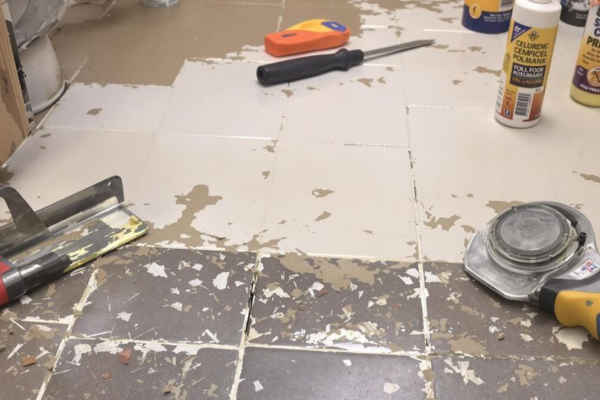
One major cause is water penetration. Even small leaks from toilets, sinks, or showers can seep under the flooring and weaken the subfloor. Poor ventilation also plays a role, as trapped moisture leads to swelling, warping, and mold growth. Heavy furniture, improper installation, and aging materials can further reduce the lifespan of bathroom flooring.
Common Types of Bathroom Flooring
Different flooring materials require different repair approaches. Knowing what type of flooring you have is the first step in bathroom flooring repair.
Ceramic and Porcelain Tile
Tile flooring is durable and water-resistant, but grout lines can crack and tiles may loosen over time. Tile damage often occurs due to subfloor movement or water damage underneath.
Vinyl Flooring
Vinyl is popular in bathrooms because it is affordable and water-resistant. However, it can peel, bubble, or tear if moisture gets trapped underneath.
Laminate Flooring
Laminate is less water-resistant and more prone to swelling. Even small leaks can cause permanent damage if not repaired quickly.
Natural Stone Flooring
Stone floors look elegant but require special care. Cracks, stains, and loose tiles are common issues, especially if sealing is neglected.
Signs That Bathroom Flooring Needs Repair
Bathroom flooring problems often start small. Common warning signs include:
- Loose or cracked tiles
- Soft or spongy areas when walking
- Discolored grout lines
- Bubbling or lifting vinyl
- Musty odors indicating moisture
- Visible mold near edges or corners
Ignoring these signs can lead to more expensive repairs later.
Safety Precautions Before Repair
Before starting any bathroom flooring repair, safety is important. Turn off nearby water sources if leaks are present. Wear gloves and a mask when dealing with mold or damaged materials. Ensure proper ventilation, especially when using adhesives or cleaning chemicals.
Apartment residents should always inform property management before performing permanent repairs, as flooring may be part of the landlord’s responsibility.
Tools and Materials Needed
Most bathroom flooring repairs require basic tools, including:
- Utility knife
- Pry bar or scraper
- Screwdriver
- Replacement tiles or vinyl pieces
- Tile adhesive or flooring glue
- Grout and grout sealer
- Level and measuring tape
Having matching materials helps maintain a consistent appearance.
Bathroom Tile Flooring Repair
Tile flooring is common in bathrooms and often repairable without replacing the entire floor.
Repairing Cracked Tiles
Cracked tiles should be replaced to prevent water from reaching the subfloor. Remove the damaged tile carefully, clean the area, apply fresh adhesive, and install a new tile. Once dry, reapply grout and seal it properly.
Fixing Loose Tiles
Loose tiles usually indicate failing adhesive. Remove the tile, scrape away old adhesive, and reinstall it with fresh mortar. Allow proper curing time before use.
Repairing Grout Lines
Cracked or missing grout allows water to seep underneath. Remove damaged grout using a grout removal tool and apply new grout. Sealing the grout helps protect against moisture.
Vinyl Bathroom Flooring Repair
Vinyl flooring issues are often cosmetic but can worsen if ignored.
Fixing Peeling or Lifting Vinyl
Peeling edges can be reattached using flooring adhesive. Press the vinyl firmly and place weight on it until the adhesive cures.
Repairing Small Tears or Holes
Small tears can be patched using vinyl repair kits. These kits blend the patch with the existing floor for a cleaner look.
Addressing Bubbling Vinyl
Bubbles usually indicate trapped moisture. Carefully release the air or moisture, dry the area, and reattach the vinyl securely.
Laminate Bathroom Flooring Repair
Laminate flooring is more sensitive to moisture. Minor damage may be repairable, but severe swelling usually requires replacement.
Small surface damage can be fixed using laminate repair putty. If planks are swollen, they should be removed and replaced to prevent further spreading.
Repairing Water-Damaged Bathroom Flooring
Water damage is one of the most serious issues. If the subfloor is affected, simple surface repairs may not be enough.
Start by identifying and fixing the source of the leak. Remove damaged flooring and allow the subfloor to dry completely. In severe cases, subfloor replacement may be required before installing new flooring.
Repair vs Replacement: Making the Right Choice
Bathroom flooring repair is ideal when damage is localized and the subfloor is intact. Replacement is recommended if:
- Damage covers a large area
- Mold is widespread
- The subfloor is rotting
- Flooring material is outdated or poorly installed
For rental apartments, landlords often prefer replacement for long-term durability.
Cost of Bathroom Flooring Repair
Repair costs vary depending on the material and extent of damage.
DIY repairs are usually affordable, while professional repairs cost more but provide better results. Replacement involves higher labor and material costs but may increase property value.
Preventing Future Bathroom Flooring Damage
Prevention is the best way to avoid frequent bathroom flooring repair.
- Use bath mats to reduce water exposure
- Clean spills immediately
- Maintain proper ventilation
- Reseal grout and stone floors regularly
- Check for plumbing leaks periodically
Bathroom Flooring Repair in Apartments
Apartment residents should report flooring issues early. Delaying repairs can lead to disputes or liability concerns. Temporary fixes may help, but permanent solutions should be handled by property management.
When to Call a Professional
If flooring damage involves electrical wiring, extensive mold, or structural concerns, professional help is recommended. Licensed contractors ensure repairs meet safety and building standards.
Conclusion
Bathroom flooring repair is an important part of home and apartment maintenance. Addressing damage early can save money, prevent health issues, and extend the life of your flooring. Whether dealing with cracked tiles, peeling vinyl, or water damage, understanding repair options helps you make informed decisions.
With proper care, timely repairs, and preventive maintenance, bathroom flooring can remain durable, safe, and visually appealing for many years.