Does Peel and Stick Wallpaper Damage Walls? A Complete Guide
Peel and stick wallpaper has become extremely popular in recent years, especially among renters and apartment dwellers who want to personalize their space without permanent changes. But one common concern keeps coming up: does peel and stick wallpaper damage walls?
This question is important for both renters trying to protect their security deposit and apartment owners who want to avoid wall repairs. While peel and stick wallpaper is marketed as removable and renter-friendly, the real answer depends on several factors, including wall condition, paint type, and removal method.
This complete guide explains everything you need to know so you can make an informed decision without risking wall damage.
What Is Peel and Stick Wallpaper?
Peel and stick wallpaper is a type of self-adhesive wall covering that does not require glue or water for installation. It has a sticky backing that adheres directly to the wall surface.
Unlike traditional wallpaper, peel and stick wallpaper is designed to be removable. This feature makes it appealing for apartments, rental homes, dorms, and temporary living spaces. However, removable does not always mean damage-free in every situation.
Does Peel and Stick Wallpaper Damage Walls?
The short answer is: peel and stick wallpaper does not usually damage walls when applied and removed correctly. On properly prepared and well-painted walls, it can be removed cleanly without peeling paint or leaving residue.
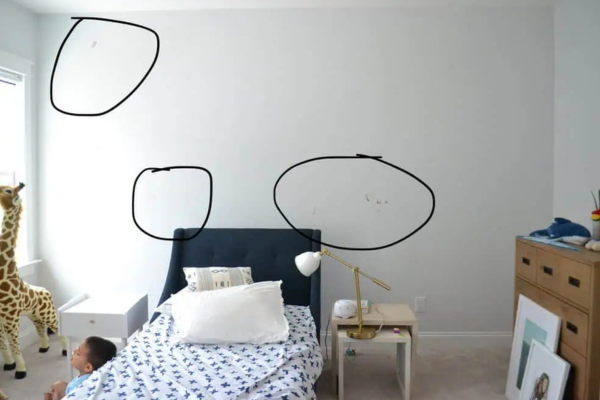
However, damage can occur under certain conditions. Poor-quality paint, unsealed walls, or improper removal techniques can lead to paint peeling or minor surface damage. Understanding these risks helps prevent problems.
Why People Worry About Wall Damage
Wall damage is a serious concern for renters because landlords often deduct repair costs from security deposits. Apartment owners also want to maintain wall quality to avoid frequent repainting.
Because peel and stick wallpaper uses adhesive, people naturally worry about how that adhesive interacts with paint and drywall. The good news is that most modern peel and stick wallpapers are designed with low-tack adhesive to reduce damage risk.
Wall Types and Their Impact on Damage
The type of wall surface plays a major role in determining whether peel and stick wallpaper will cause damage.
Painted Drywall
Painted drywall in good condition is the safest surface. Satin, semi-gloss, and eggshell finishes usually handle peel and stick wallpaper well.
Flat or Matte Paint
Flat paint is more fragile and can peel more easily. This increases the risk of damage during removal.
Textured Walls
Textured walls may prevent proper adhesion and can cause uneven removal, increasing damage risk.
Unpainted or Raw Walls
Unpainted drywall or plaster should never be used with peel and stick wallpaper, as damage is almost guaranteed.
Paint Quality Matters More Than You Think
Low-quality or old paint is one of the biggest reason of peel and stick wallpaper damage walls. If paint was not properly cured or primed, the adhesive may bond too strongly.
Freshly painted walls should cure for at least 30 days before applying peel and stick wallpaper. This allows the paint to fully harden and reduces peeling risk.
How Long Can Peel and Stick Wallpaper Stay on Walls?
Peel and stick wallpaper can stay on walls for months or even years. However, longer application times can increase the chance of damage during removal.
Heat, humidity, and time can cause adhesive to strengthen slightly. Bathrooms and kitchens may require extra care due to moisture exposure.
Does Peel and Stick Wallpaper Leave Residue?
In most cases, peel and stick wallpaper does not leave residue. High-quality brands are specifically designed to remove cleanly.
If residue does appear, it is usually minimal and can be removed with gentle cleaning solutions. Sticky residue is more common on porous or poorly painted walls.
Safe Removal Techniques to Prevent Damage
Removing peel and stick wallpaper correctly is just as important as applying it properly.
Start by slowly peeling from a corner at a downward angle. Pull gently and evenly rather than ripping it off quickly. If resistance is felt, applying light heat using a hairdryer can help loosen the adhesive.
Taking your time during removal greatly reduces the risk of wall damage.
Common Mistakes That Cause Wall Damage
Many cases of wall damage happen because of simple mistakes.
Applying wallpaper to dirty walls, using it on flat paint, or removing it forcefully can all lead to problems. Skipping a patch test is another common error that increases risk.
Patch Testing: A Smart Preventive Step
Before covering an entire wall, always test a small section. Apply a small piece of peel and stick wallpaper and leave it for a few days.
Removing the test piece helps you see how your wall reacts. This step is especially important in rental apartments.
Is Peel and Stick Wallpaper Safe for Renters?
Yes, peel and stick wallpaper is generally safe for renters when used properly. Many renters use it successfully without losing their security deposit.
Choosing the right wall, avoiding low-quality paint, and removing it carefully are key steps to protecting rental walls.
Is Peel and Stick Wallpaper a Good Option for Apartment Owners?
Apartment owners may also use peel and stick wallpaper in model units or short-term rentals. It offers quick style updates without permanent changes.
However, owners should ensure walls are properly painted and sealed to minimize future maintenance issues.
Comparing Peel and Stick Wallpaper to Traditional Wallpaper
Traditional wallpaper uses paste and often requires scraping during removal, which almost always damages walls.
Peel and stick wallpaper is far less invasive and significantly reduces the risk of damage when compared to traditional wallpaper options.
How to Protect Walls Before Installation
Cleaning the wall surface before installation helps ensure even adhesion and clean removal later. Dust, grease, and moisture can interfere with adhesive behavior.
Using a primer designed for removable wallpapers can add an extra layer of protection, especially in rental units.
When Peel and Stick Wallpaper May Not Be a Good Choice
Peel and stick wallpaper may not be suitable for very old walls, crumbling paint, or high-humidity environments.
In such cases, temporary wall decals or framed artwork may be safer alternatives.
Conclusion
So, does peel and stick wallpaper damage walls? In most cases, the answer is no—when applied and removed correctly on properly prepared walls. Damage usually occurs due to poor paint quality, incorrect wall surfaces, or rushed removal.
For renters and apartment owners alike, peel and stick wallpaper can be a safe and stylish solution when used responsibly. Understanding wall conditions and following best practices ensures your walls remain intact while enjoying a refreshed living space.