Bathroom Exhaust Fan Repair: Complete Guide
A bathroom exhaust fan plays a crucial role in keeping your bathroom healthy and comfortable. It removes excess moisture, unpleasant odors, and airborne contaminants that can otherwise lead to mold growth, peeling paint, and long-term structural damage. When a bathroom exhaust fan stops working properly, many homeowners and apartment residents assume replacement is the only option. In reality, most problems can be fixed with basic tools and some careful troubleshooting.
This guide on bathroom exhaust fan repair is written to help both apartment renters and homeowners understand common fan problems, how to diagnose them, and how to repair them safely. The content is beginner-friendly, practical, and focused on real-world solutions that do not require advanced electrical knowledge.
How a Bathroom Exhaust Fan Works
Understanding how a bathroom exhaust fan works makes the repair process easier. The fan typically consists of a motor, fan blades, housing, duct connection, and a vent that leads outside. When switched on, the motor spins the fan blades, pulling humid air from the bathroom and pushing it through the duct to the exterior of the building.
If any of these components fail or become blocked, the fan’s performance drops. In some cases, the fan may stop working completely, become noisy, or fail to remove moisture effectively.
Common Bathroom Exhaust Fan Problems
Bathroom exhaust fan repair usually starts with identifying the exact issue. Below are the most common problems found in bathrooms.
Fan Not Turning On
One of the most common complaints is a fan that does not turn on at all. This may be caused by a tripped circuit breaker, a faulty wall switch, loose wiring, or a burned-out motor. In apartments, the issue may also be related to building-wide electrical problems.
Loud or Rattling Noise
A noisy bathroom exhaust fan is often a sign of loose screws, worn bearings, or dust buildup on the fan blades. Over time, vibration can loosen mounting hardware, causing rattling or humming sounds.
Weak Airflow
If the fan runs but does not remove steam effectively, the problem may be a clogged grille, blocked duct, or weak motor. Poor airflow can also result from improper installation or a duct that is too long.
Fan Turns Off Randomly
Some exhaust fans include a thermal cutoff switch that shuts the fan off when it overheats. Dust buildup, blocked airflow, or an aging motor can cause overheating and frequent shutdowns.
Safety Precautions Before Repair
Before starting any bathroom exhaust fan repair, safety should be your top priority. Always turn off power at the circuit breaker, not just the wall switch. Use a voltage tester to confirm that no electricity is flowing to the fan.
If you live in a rental apartment, check your lease agreement before performing electrical repairs. In some cases, maintenance issues must be handled by property management.
Tools Needed for Bathroom Exhaust Fan Repair
Most bathroom exhaust fan repairs can be completed with basic tools. These include a screwdriver set, voltage tester, flashlight, vacuum cleaner, soft brush, replacement screws, and possibly a replacement motor or fan assembly.
Having the right tools ready helps avoid unnecessary delays and reduces the risk of mistakes.
Step-by-Step Bathroom Exhaust Fan Repair
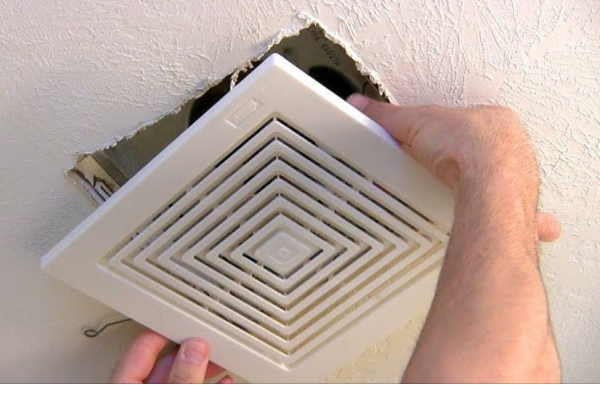
Step 1: Remove the Fan Cover
Gently pull down the fan cover or grille. Most covers are held in place by spring clips. Squeeze the clips and remove the cover carefully. Clean it with warm water and mild soap if it is dusty.
Step 2: Inspect and Clean the Fan
Dust and debris are common causes of fan problems. Use a vacuum cleaner and soft brush to remove dirt from the fan blades and housing. Cleaning alone can significantly improve performance.
Step 3: Check Wiring Connections
Inspect the wiring connections inside the fan housing. Loose or damaged wires can prevent the fan from working. Tighten loose connections and replace damaged wires if necessary.
Step 4: Test the Motor
If the fan still does not work after cleaning and checking wiring, the motor may be faulty. Motors wear out over time and may need replacement. In many models, the motor assembly can be replaced without removing the entire housing.
Step 5: Inspect the Duct
A blocked or disconnected duct reduces airflow and causes moisture problems. Check that the duct is securely attached and free of obstructions. Remove any lint, dust, or debris blocking the airflow.
Step 6: Reassemble and Test
Once repairs are complete, reassemble the fan, restore power, and test its operation. Listen for unusual noises and ensure strong airflow.
Repair vs Replacement
Sometimes bathroom exhaust fan repair is not the most cost-effective option. If the fan is very old, inefficient, or frequently failing, replacement may be a better long-term solution. Modern fans are quieter, more energy-efficient, and provide better moisture control.
For apartments, always consult property management before replacing fixtures, as approval may be required.
Preventive Maintenance Tips
Regular maintenance can reduce the need for bathroom exhaust fan repair. Clean the fan and grille every six months, check for dust buildup, and ensure the duct remains clear. Running the fan during and after showers helps prevent moisture-related damage.
When to Call a Professional
While many repairs are simple, some situations require a professional electrician. These include complex wiring issues, repeated motor failures, or damage to electrical circuits. Calling a professional ensures safety and compliance with local electrical codes.
Bathroom Exhaust Fan Repair in Apartments
Apartment residents often face limitations when repairing fixtures. Always report major issues to the landlord or maintenance team. Simple cleaning and cover replacement are usually acceptable, but electrical repairs may require professional approval.
Conclusion
Bathroom exhaust fan repair does not have to be complicated or expensive. By understanding how the fan works, identifying common problems, and following proper safety steps, many issues can be fixed quickly. Regular maintenance improves performance, reduces moisture damage, and extends the life of the fan.
Whether you are a homeowner or an apartment resident, taking care of your bathroom exhaust fan ensures a healthier living environment and prevents costly repairs in the future.