Kitchen Fire Suppression Repair: Complete Guide for Apartment
Kitchen fire suppression repair is a critical safety requirement for restaurants, commercial kitchens, hotels, cafeterias, food trucks, and industrial cooking spaces. Fire suppression systems are designed to automatically detect and extinguish fires caused by grease, oil, or high heat before they spread. When these systems fail, are damaged, or become outdated, they put lives, property, and businesses at serious risk.
Because commercial kitchens operate under strict fire codes, any issue with a fire suppression system must be addressed immediately. Whether you are a business owner, property manager, or kitchen operator, understanding kitchen fire suppression repair helps you stay compliant, avoid fines, and protect your investment.
This guide explains how fire suppression systems work, common problems, repair processes, costs, inspections, and maintenance best practices.
What Is a Kitchen Fire Suppression System?
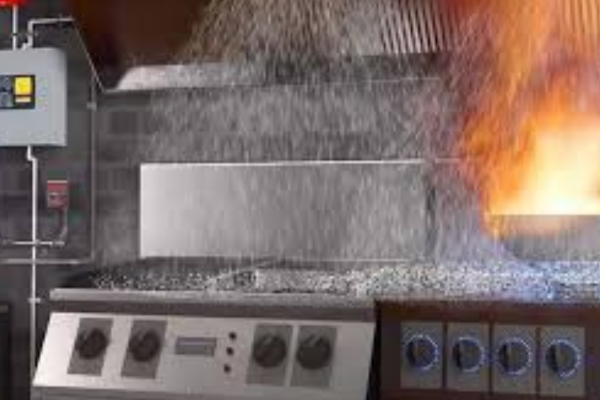
A kitchen fire suppression system is a specialized fire protection setup installed above cooking appliances such as fryers, grills, ovens, and ranges. It automatically releases a wet chemical agent when a fire is detected, suppressing flames and preventing re-ignition.
Key Components of the System
- Fire suppression agent (wet chemical)
- Nozzles positioned above appliances
- Detection system (fusible links or heat sensors)
- Control panel
- Manual pull station
- Gas and electric shut-off valves
Each component must function properly for the system to work effectively, which is why timely kitchen fire suppression repair is essential.
Common Reasons Kitchen Fire Suppression Systems Need Repair
Fire suppression systems experience wear and tear over time, especially in high-use kitchens. Below are the most common reasons repairs are required.
System Discharge After a Fire Event
Once a system discharges, it cannot be reused without professional repair. The system must be cleaned, refilled, and reset.
Corroded or Clogged Nozzles
Grease buildup and moisture can clog or corrode nozzles, preventing proper chemical discharge during a fire.
Damaged Detection Lines
Fusible links or detection cables can weaken due to heat exposure, grease, or improper cleaning.
Faulty Control Panel
Electrical issues, alarm failures, or damaged wiring can cause system malfunctions.
Accidental Manual Pull Activation
Manual pull stations can be triggered accidentally, requiring a full system inspection and reset.
Failed Inspection or Code Violation
If a system does not meet local fire codes during inspection, kitchen fire suppression repair becomes mandatory.
Signs Your Kitchen Fire Suppression System Needs Repair
Recognizing early warning signs can prevent system failure during emergencies.
- Visible corrosion or grease buildup on nozzles
- System warning lights or alarms
- Loose or missing fusible links
- Failed fire inspection reports
- Leaking suppression agent
- Unresponsive manual pull station
Ignoring these signs can lead to shutdown orders or serious fire hazards.
Kitchen Fire Suppression Repair Process
Professional technicians follow a structured process to ensure safety and compliance.
Initial Inspection and Diagnosis
A certified technician inspects the entire system, identifying damaged or non-compliant components.
System Shutdown
Cooking appliances and utilities are safely shut off before repair work begins.
Component Repair or Replacement
Damaged nozzles, detection lines, control panels, or valves are repaired or replaced as needed.
System Recharge
After repairs, the wet chemical agent is refilled according to manufacturer specifications.
Testing and Reset
The system is tested to ensure proper activation, discharge, and shut-off functions.
Final Certification
A compliance tag or certificate is issued after successful repair and testing.
How Long Does Kitchen Fire Suppression Repair Take?
Repair time depends on the severity of the issue:
- Minor repairs: 1–2 hours
- Nozzle or link replacement: Same day
- Full system recharge: 2–4 hours
- Major repairs or upgrades: 1–2 days
Restaurants should plan repairs during off-hours to minimize downtime.
Cost of Kitchen Fire Suppression Repair
Repair costs vary based on system type, damage level, and local regulations.
Average Cost Breakdown
- Minor repairs: $150–$300
- Nozzle replacement: $200–$500
- System recharge: $300–$800
- Control panel repair: $500–$1,200
- Full system overhaul: $1,500+
Regular maintenance helps reduce long-term repair costs.
Fire Code Compliance and Legal Requirements
Most regions require commercial kitchens to follow standards such as:
- NFPA 17 and NFPA 96
- Local fire department regulations
- Annual or semi-annual inspections
Failure to complete required kitchen fire suppression repair can result in:
- Fines and penalties
- Business closure
- Insurance claim denial
- Legal liability after a fire
Can Kitchen Staff Perform Fire Suppression Repairs?
No. Fire suppression repairs must be performed by certified professionals. Unlicensed repairs can:
- Void warranties
- Fail inspections
- Create serious safety risks
- Violate fire codes
Only licensed technicians should handle kitchen fire suppression repair tasks.
Preventive Maintenance Tips
Proper maintenance reduces emergency repairs and system failure.
- Schedule inspections every 6 months
- Clean nozzles regularly
- Avoid tampering with system components
- Train staff on manual pull station use
- Address small issues immediately
Kitchen Fire Suppression Repair for Rental and Commercial Properties
In leased kitchens, responsibility may be shared between property owners and tenants. Typically:
- Property owners handle system installation and major repairs
- Tenants handle routine inspections and cleanliness
Always review lease agreements to clarify responsibilities.
Choosing the Right Fire Suppression Repair Service
When selecting a repair provider, look for:
- Certified and licensed technicians
- Experience with commercial kitchens
- Knowledge of local fire codes
- Emergency repair availability
- Clear documentation and certification
Reliable service ensures safety and compliance.
Conclusion
Kitchen fire suppression repair is not optional—it is a critical part of running a safe and compliant commercial kitchen. From minor nozzle issues to full system recharges, timely repairs protect lives, property, and business continuity. Understanding warning signs, repair processes, costs, and legal requirements helps restaurant owners and kitchen operators stay prepared.
By scheduling regular inspections and working with certified professionals, you can ensure your fire suppression system is always ready to respond when it matters most. Investing in proper kitchen fire suppression repair today can prevent catastrophic losses tomorrow.