Kitchen Hood Repair: Complete Guide for Kitchens
Kitchen hood repair is an essential part of maintaining a safe and efficient commercial kitchen. Kitchen hoods are designed to remove smoke, grease, heat, and odors produced during cooking. Over time, heavy use, grease buildup, and mechanical wear can cause kitchen hoods to malfunction. When this happens, it not only affects air quality but also increases fire risks and can lead to failed health or fire inspections.
Whether you operate a restaurant, hotel kitchen, cafeteria, or food business, timely kitchen hood repair helps you stay compliant with safety regulations and protects both staff and property. This guide explains common hood problems, repair solutions, costs, and preventive maintenance in detail.
What Is a Kitchen Hood System?
A kitchen hood system, also known as an exhaust hood, is installed above cooking equipment to capture and remove airborne grease, smoke, steam, and heat. It plays a critical role in ventilation and fire prevention.
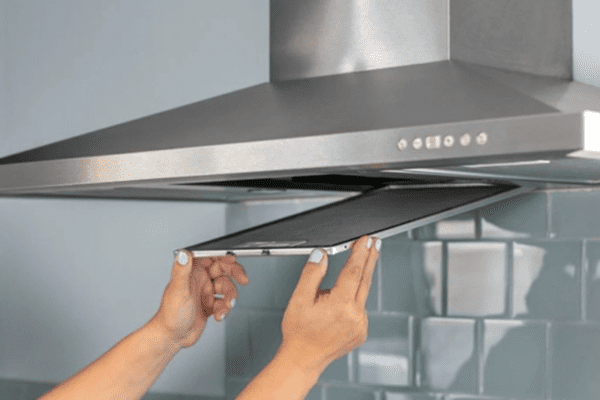
Main Components of a Kitchen Hood
- Hood canopy
- Exhaust fan
- Ductwork
- Grease filters
- Make-up air unit
- Electrical controls
If any of these components fail, kitchen hood repair becomes necessary.
Common Kitchen Hood Problems
Commercial kitchen hoods face constant exposure to grease and heat. Below are the most common issues that require professional repair.
Grease Buildup
Excess grease accumulation reduces airflow and increases fire hazards. Grease buildup is one of the leading causes of kitchen hood system failure.
Exhaust Fan Failure
A malfunctioning exhaust fan can result in poor ventilation, excessive smoke, and overheating in the kitchen.
Noisy or Vibrating Hood
Unusual noises or vibrations often indicate loose parts, worn bearings, or fan imbalance.
Electrical Issues
Faulty wiring, damaged switches, or control panel issues can stop the hood from operating properly.
Poor Airflow
Blocked ducts, dirty filters, or fan problems can reduce airflow efficiency.
Hood Not Turning On
This may be caused by electrical faults, safety interlocks, or control system failures.
Signs You Need Kitchen Hood Repair
Early detection of hood issues prevents major damage and compliance problems.
- Excess smoke or heat in the kitchen
- Strong cooking odors lingering
- Grease dripping from hood or ducts
- Loud or unusual fan noise
- Hood not starting or shutting off unexpectedly
- Failed fire or health inspection
Kitchen Hood Repair Process
Professional kitchen hood repair follows a structured approach to ensure safety and efficiency.
Inspection and Diagnosis
Technicians inspect the hood, fan, filters, ducts, and electrical components to identify issues.
Cleaning and Grease Removal
Heavy grease buildup is removed from filters, hood interior, and ductwork.
Component Repair or Replacement
Damaged fans, motors, belts, wiring, or filters are repaired or replaced.
Airflow Testing
Airflow levels are tested to ensure proper ventilation.
Final Testing
The system is tested under operating conditions to confirm proper performance.
Kitchen Hood Repair vs Replacement
Not all hood problems require replacement. In many cases, repairs are sufficient.
When Repair Is Enough
- Minor electrical issues
- Fan motor replacement
- Filter replacement
- Grease cleaning
When Replacement Is Better
- Severe corrosion or structural damage
- Outdated systems not meeting code
- Repeated failures despite repairs
A professional assessment helps determine the best option.
Cost of Kitchen Hood Repair
Kitchen hood repair costs vary based on the problem and system size.
Average Repair Costs
- Minor repairs: $150–$300
- Fan motor replacement: $300–$800
- Electrical repairs: $200–$600
- Duct repair or cleaning: $400–$1,200
- Major repairs or upgrades: $1,500+
Regular maintenance can significantly reduce repair costs.
Fire Code and Health Compliance
Commercial kitchens must comply with regulations such as:
- NFPA 96 standards
- Local fire department codes
- Health department requirements
Failure to perform kitchen hood repair can result in:
- Fines
- Failed inspections
- Temporary shutdowns
- Increased fire risk
Can Staff Perform Kitchen Hood Repairs?
Basic cleaning like filter washing can be done by staff, but technical repairs must be handled by certified professionals. Untrained repairs can:
- Damage the system
- Void warranties
- Cause fire hazards
- Lead to code violations
Preventive Maintenance Tips
Proper maintenance reduces breakdowns and extends hood life.
- Clean grease filters regularly
- Schedule professional hood cleaning
- Inspect fans and belts
- Keep electrical components dry
- Address issues immediately
Kitchen Hood Repair for Rental and Commercial Properties
In leased kitchens, responsibility may vary.
- Property owners usually handle major system repairs
- Tenants are responsible for daily cleaning and reporting issues
Always check lease agreements for clarity.
Choosing a Kitchen Hood Repair Service
Look for service providers who offer:
- Licensed and insured technicians
- Experience with commercial kitchens
- Emergency repair services
- Knowledge of local codes
- Transparent pricing
Conclusion
Kitchen hood repair is essential for maintaining a safe, compliant, and efficient commercial kitchen. Ignoring hood issues can lead to fire hazards, poor air quality, and business interruptions. By recognizing early warning signs, investing in regular maintenance, and hiring certified professionals, you can ensure your kitchen hood system performs reliably.
Timely kitchen hood repair not only protects your staff and customers but also helps your business pass inspections and operate smoothly for years to come.