Signs of Water Damage in Walls | Early Warning Signs & Solutions
Water damage is a silent problem that often develops behind walls before homeowners or renters realize something is wrong. One of the biggest mistakes people make is ignoring early signs of water damage in walls, assuming they are minor cosmetic issues. In reality, these warning signs often indicate deeper problems that can affect structural safety, indoor air quality, and long-term property value.
Water can enter walls from many sources, including leaking pipes, roof damage, poor drainage, or condensation buildup. Because walls conceal plumbing and insulation, moisture may remain hidden for weeks or even months. This guide explains every major sign of water damage in walls in detail, helping renters and property owners take timely action.
What Is Water Damage in Walls?
Water damage in walls occurs when moisture penetrates wall materials such as drywall, plaster, insulation, or wooden framing. Once water enters these materials, it weakens their structure and creates an environment where mold and mildew can thrive.
Unlike surface spills, wall moisture is harder to detect. The damage usually progresses slowly, spreading outward from the original source. By the time visible symptoms appear, internal deterioration may already be underway.
Why Identifying Water Damage Early Is Important
Early detection of water damage can prevent expensive repairs and serious health issues. Moisture trapped in walls compromises structural integrity, leading to warping, cracking, and eventual collapse in severe cases.
For renters, unreported water damage may worsen living conditions and cause disputes with landlords. For property owners, delayed repairs often mean replacing drywall, insulation, and even framing. Recognizing the signs of water damage in walls early reduces these risks.
Discoloration and Water Stains
One of the most noticeable signs of water damage in walls is discoloration. These stains often appear yellow, brown, or gray and may have irregular shapes.
Stains near ceilings typically indicate roof leaks or upper-floor plumbing issues. Lower-wall stains may suggest leaking pipes or groundwater intrusion. Over time, these marks usually expand, confirming ongoing moisture exposure.
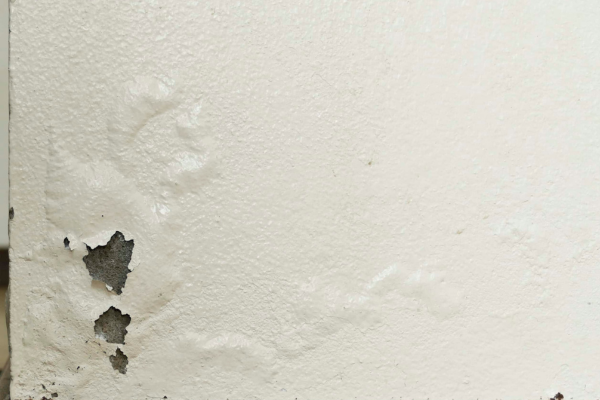
Peeling, Bubbling, or Flaking Paint
Paint reacts quickly to moisture changes. When water enters a wall, paint may begin to bubble, peel, or flake away from the surface.
This happens because moisture breaks the bond between the wall and the paint layer. While some may see this as a simple paint issue, it is often one of the earliest signs of water damage in walls.
Soft or Spongy Wall Texture
Walls affected by water damage often feel soft or spongy when pressed. Drywall absorbs moisture easily, losing its rigidity.
If pressing the wall leaves an indentation or feels unstable, internal water damage is likely present. This symptom usually indicates prolonged exposure to moisture.
Musty or Damp Smells
A persistent musty odor is a strong indicator of hidden moisture. Even when no visible damage is present, unpleasant smells often reveal water damage in walls.
These odors are usually caused by mold or mildew growth inside wall cavities. The smell may intensify in enclosed spaces such as bedrooms, closets, or bathrooms.
Mold or Mildew Growth on Walls
Mold growth is one of the most serious signs of water damage in walls. It can appear as black, green, white, or gray patches.
Mold thrives in damp, dark environments and spreads quickly once established. Besides damaging walls, mold poses health risks, including allergies, respiratory problems, and headaches.
Warping, Buckling, or Bulging Walls
Excess moisture causes wall materials to expand. This expansion can lead to warping, buckling, or visible bulges on wall surfaces.
These deformations suggest long-term moisture exposure and usually require professional intervention. Cosmetic fixes alone are not enough in such cases.
Cracks Appearing or Worsening
Cracks in walls can occur for many reasons, but moisture weakens structural materials and contributes to cracking.
When cracks appear alongside stains, peeling paint, or odors, water damage is often the underlying cause. Ignoring these cracks can allow moisture to spread further.
Increased Indoor Humidity
Unusually high humidity inside a living space may signal hidden water damage. Moisture trapped in walls raises indoor humidity levels.
Signs include condensation on windows, damp air, and discomfort even when ventilation is adequate. These conditions support mold growth and worsen wall damage.
Unexplained Sounds of Water
Hearing dripping or running water when no fixtures are in use is a clear warning sign. Leaking pipes inside walls can remain unnoticed while causing extensive damage.
These leaks often worsen over time, increasing repair costs if left unresolved.
Common Causes of Water Damage in Walls
Understanding the source of moisture helps prevent future damage. Common causes include leaking plumbing, roof leaks, faulty appliances, poor drainage, and condensation.
In apartment buildings, shared plumbing systems can cause water damage to spread across multiple units, making early reporting essential.
Signs of Water Damage in Apartment Walls
Apartment residents should remain alert to wall changes. Water damage in one unit can affect neighboring apartments above or below.
Any stains, odors, or peeling paint should be reported immediately to property management to prevent escalation.
How to Confirm Hidden Water Damage
If signs suggest moisture but damage is not visible, professional tools can help. Moisture meters and infrared cameras detect water inside walls without demolition.
Confirming water damage early allows targeted repairs instead of extensive reconstruction.
What to Do When You Notice Water Damage
Once signs of water damage in walls appear, quick action is essential. Identify and stop the water source if possible.
Dry affected areas, improve ventilation, and seek professional help for extensive damage. Renters should document issues and notify landlords promptly.
Preventing Water Damage in Walls
Prevention includes regular plumbing inspections, roof maintenance, and proper ventilation. Addressing small leaks quickly prevents moisture buildup.
Using exhaust fans, sealing cracks, and controlling indoor humidity also help protect walls from water damage.
Health Risks Linked to Water Damage
Water damage often leads to mold growth, which negatively impacts indoor air quality. Symptoms may include coughing, sinus irritation, fatigue, and allergic reactions.
Long-term exposure can be especially harmful to children, elderly individuals, and people with respiratory conditions.
When to Call a Professional
Professional help is necessary when water damage is widespread, mold is visible, or the water source is unknown.
Experts can safely remove damaged materials, treat mold, and restore wall integrity to prevent future problems.
Conclusion
Recognizing the signs of water damage in walls is critical for maintaining a safe and healthy living environment. From stains and odors to soft textures and mold growth, these warning signs indicate moisture problems that should never be ignored.
Early detection and timely action protect property value, reduce repair costs, and safeguard health. Whether you are a renter or property owner, understanding these signs empowers you to address water damage before it becomes a serious issue.