What Is Considered Emergency Maintenance in an Apartment?
Living in an apartment means sharing responsibility for maintenance between tenants and property management. While many repair issues can wait a few days, some problems demand immediate attention. This is where the concept of what is considered emergency maintenance in an apartment becomes extremely important. Emergency maintenance situations involve serious risks to safety, health, or property and cannot be delayed without consequences.
Tenants often struggle to decide whether a problem is urgent enough to report after hours, while landlords want to avoid misuse of emergency services. Understanding what truly qualifies as emergency maintenance helps both sides respond appropriately and prevent further damage. This detailed guide explains emergency maintenance clearly, with real-world examples and practical guidance.
What Does Emergency Maintenance Mean?
Emergency maintenance refers to repair issues that pose an immediate threat to residents, the building, or essential services. These issues must be addressed as quickly as possible, even if they occur at night, on weekends, or during holidays.
Unlike routine maintenance, emergency maintenance situations worsen rapidly if ignored. Delays can lead to safety hazards, health risks, or expensive structural damage. Knowing what is considered emergency maintenance in an apartment helps prevent confusion and ensures faster solutions.
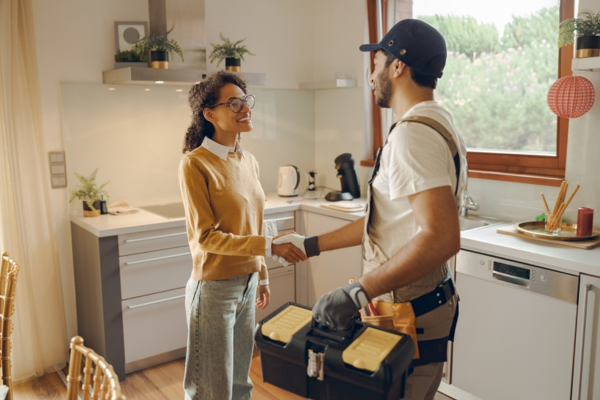
Why Emergency Maintenance Matters in Apartments
Apartments rely on shared systems such as plumbing, electrical wiring, and heating. A problem in one unit can affect many others. Because of this, emergency maintenance is especially critical in apartment buildings.
For tenants, emergencies can disrupt daily life and create unsafe conditions. For landlords and property managers, quick response protects the building, reduces liability, and prevents tenant dissatisfaction.
No Heating or Cooling in Extreme Weather
One of the most common emergency maintenance situations involves climate control. If an apartment has no heat during winter or no air conditioning during extreme heat, it is often considered an emergency.
Exposure to very cold or hot temperatures can be dangerous, particularly for children, elderly residents, and people with health conditions. Many housing laws require landlords to maintain safe indoor temperatures.
Major Plumbing Leaks and Flooding
Plumbing issues are a leading cause of emergency maintenance requests. Burst pipes, severe leaks, overflowing toilets, or flooding that cannot be controlled are all emergencies.
Water spreads quickly through walls and floors, causing structural damage and mold growth. In apartment buildings, water damage can affect multiple units, making immediate action essential.
Sewer Backups and Drain Overflows
Sewer backups are serious emergencies due to health risks. Wastewater exposure can contaminate living spaces and create unsanitary conditions.
If drains overflow or sewage enters the apartment, emergency maintenance is required immediately to protect residents and prevent further contamination.
Electrical Emergencies in Apartments
Electrical problems are always treated seriously. Sparking outlets, exposed wiring, burning smells, or repeated power failures are clear emergency maintenance situations.
These issues increase the risk of electrical fires and shock hazards. Tenants should never attempt to fix electrical problems themselves and should report them immediately.
Gas Leaks and Carbon Monoxide Risks
Gas leaks are among the most dangerous apartment emergencies. The smell of gas, hissing sounds, dizziness, or nausea may indicate a leak.
In such cases, tenants should leave the apartment immediately and contact emergency services before notifying property management. Gas-related issues are always considered emergency maintenance.
Fire, Smoke, and Fire Safety Equipment Failures
Any fire-related situation qualifies as emergency maintenance. This includes fire damage, smoke infiltration, or malfunctioning smoke detectors.
Fire safety systems are critical for apartment living. Non-working alarms or sprinkler systems must be repaired immediately to ensure resident safety.
Security-Related Maintenance Emergencies
Apartment security is essential for tenant safety. Broken door locks, damaged entry doors, shattered windows, or malfunctioning security systems are emergency maintenance issues.
Tenants must be able to secure their apartment. Delayed repairs can expose residents to theft or personal harm.
Appliance Problems: Emergency or Routine?
Not all appliance failures are emergencies. However, certain appliance issues may qualify depending on the risk involved.
For example, a broken refrigerator is inconvenient but usually not an emergency. On the other hand, a stove leaking gas or an electrical appliance sparking is considered emergency maintenance.
What Is Not Considered Emergency Maintenance
Understanding non-emergency maintenance helps prevent unnecessary emergency calls. Issues such as dripping faucets, clogged sinks, cosmetic wall damage, or broken cabinets are usually not emergencies.
These problems should still be reported, but they can wait for standard maintenance hours.
Emergency Maintenance Response Time Expectations
Response time for emergency maintenance varies by location and lease agreement. In most cases, property management is expected to respond within a few hours.
Many apartment complexes provide 24/7 emergency maintenance numbers to ensure urgent issues are addressed promptly.
Tenant Responsibilities During Maintenance Emergencies
Tenants play an important role during emergencies. Reporting the issue immediately and providing accurate details helps speed up repairs.
Tenants should also take reasonable steps to reduce damage, such as shutting off water valves during leaks if safe to do so.
Landlord and Property Manager Responsibilities
Landlords are legally obligated to provide safe and habitable living conditions. Emergency maintenance falls under this responsibility.
Failure to respond promptly may result in legal consequences, fines, or tenant complaints. Proper emergency response protects both residents and property owners.
Emergency Maintenance Clauses in Lease Agreements
Most lease agreements outline what is considered emergency maintenance in an apartment and explain reporting procedures.
Tenants should review these clauses carefully to understand their rights and responsibilities before an emergency occurs.
Health Risks of Ignoring Emergency Maintenance
Delaying emergency maintenance can lead to serious health issues. Mold growth, poor air quality, gas exposure, and electrical hazards all threaten resident health.
Quick repairs reduce long-term health risks and maintain a safe living environment.
Preventing Emergency Maintenance Situations
Preventive maintenance reduces the likelihood of emergencies. Regular inspections, timely repairs, and proper use of appliances all help prevent sudden failures.
Property owners who invest in preventive care experience fewer emergency calls and lower repair costs.
Apartments vs Houses: Why Emergencies Differ
In apartments, emergency maintenance often affects multiple units due to shared systems. This makes rapid response even more important.
While houses may face similar issues, apartment emergencies can escalate faster due to interconnected infrastructure.
Legal Rights of Tenants During Emergencies
Tenants have the right to safe living conditions. If landlords fail to address emergency maintenance, tenants may have legal options depending on local laws.
Understanding tenant rights helps residents respond appropriately during emergencies.
When to Call Emergency Services First
Certain situations require contacting emergency services before property management. Fires, gas leaks, and severe electrical hazards should always be reported to emergency responders first.
Once safety is ensured, property management should be informed to handle repairs.
Conclusion
Understanding what is considered emergency maintenance in an apartment is essential for both tenants and property owners. Emergency maintenance involves issues that threaten safety, health, or property and require immediate attention.
Clear communication, quick response, and preventive care ensure a safer and more comfortable apartment living experience for everyone involved.